
What is post grad basketball?
Post grad basketball is a structured year after the high school diploma and before college enrollment. It is not repeating 12th grade. It is not a college freshman year. It is not a gap year.
A post-grad year does not burn NCAA eligibility. Your eligibility clock starts at full-time college enrollment. Confirm your situation with the NCAA Eligibility Center and your school's academic staff.
It does not guarantee offers. No program can promise scholarships, D1 placement, or playing time.
Sticker price on tuition. Net cost after you apply.
Who Is a Post-Grad Year For?
Not every player needs a post-grad year. These six profiles are the most common. Be honest about which one describes your situation. No program can promise a role or minutes.
The Late Developer
Physically or athletically maturing late. The game is there, the body is not quite ready. One year of college-caliber strength and conditioning can change the recruiting picture.
The Academic Case
Test scores or the NCAA eligibility file are not yet opening the right doors. A post-grad year can add coursework and test prep. It cannot raise a high-school GPA that is already final, including for F-1 players. Eligibility is still an NCAA or NAIA review.
The Under-Recruited Player
Talented but overlooked: small school, limited exposure, no professional film. A post-grad basketball program can fix the exposure problem when the staff actively recruits on the player's behalf.
The Undisciplined Talent
Skill is not the issue. Habits, focus, or work ethic are. A structured daily environment with accountability built in produces the maturity college coaches require.
The Wrong-Fit Commit
Has an offer but it does not feel right academically or athletically. A post-grad year creates space to find the right fit, not just the first fit.
The International Player
Adapting to American basketball, academics, and culture simultaneously. F-1 visa support at FCP is through full-time school enrollment, not an athletic I-20 (Xavier Academy). Read more for international players at FCP.
What a Post-Grad Year Does NOT Do
It does not burn NCAA eligibility. Your four years of eligibility begin when you enroll as a full-time student at a Division I or Division II program. A post-grad year at a prep academy is not collegiate enrollment. Confirm with the Eligibility Center.
It does not make you "too old." College coaches do not penalize players for a post-grad year. Most coaches view it as a sign of seriousness.
It does not guarantee offers. Any program that promises guaranteed placements is not being straight with you. What a post-grad year provides is more time, better preparation, and greater visibility. Outcomes depend on the player and the quality of the staff.
It is not a substitute for high school. If you still need a diploma and high school credits, start with the high school program, not a post-grad year.
What the Year Looks Like at FCP
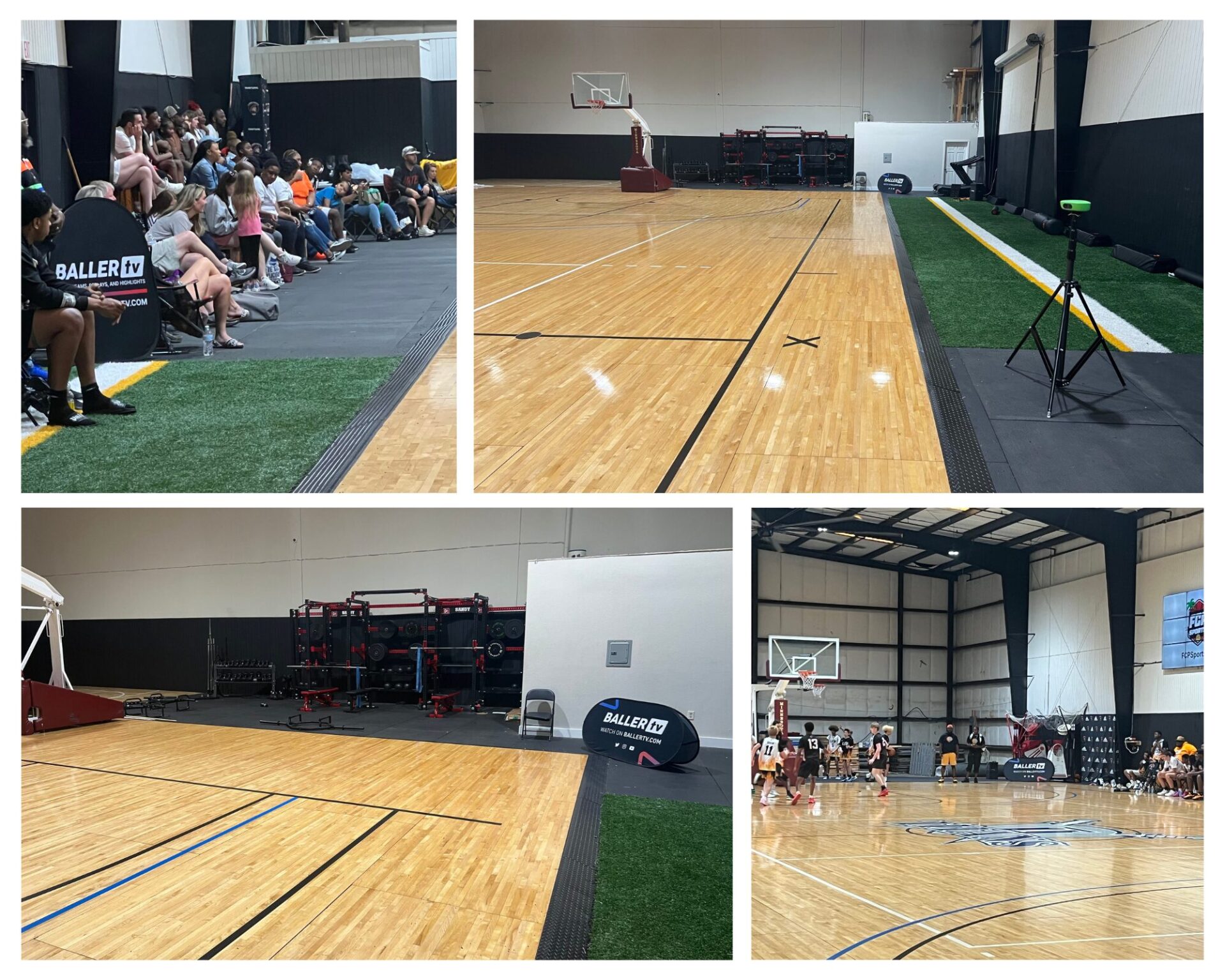
At Florida Coastal Prep, a post-grad year combines daily skill work in the Spartan Training Center, competitive games on a national schedule, accredited coursework, supervised housing on the Emerald Coast, and individual recruiting support from staff who know each player by name.
Kenny Anderson is Skills Development Director on the floor. Lee DeForest is head coach. This page explains why the year exists. The program page covers schedule, housing, academics, and how to apply.
See the FCP Post-Grad Program
What Outcomes Do FCP Post-Grad Players Achieve?
Sean East came to FCP and left for Missouri. He is now in the NBA G-League. His father: "My son matured and received a D1 scholarship and now plays for the Missouri Tigers. Coach DeForest was instrumental in putting him in front of college coaches."
Ring Malith earned placement at SIU Edwardsville. Brandon Maclin went to DePaul.
These are real alumni examples, not guarantees. Every player's path is different. See where players have landed on the commitments page.
Comparing prep schools nationally? Read the 2026 prep school basketball comparison.
Frequently Asked Questions
What is post grad basketball?
Post grad basketball is a structured year after the high school diploma and before college enrollment. It is not repeating 12th grade, not a college freshman year, and not a gap year. Players train, compete, and strengthen their college candidacy before enrolling at a university.
Does a post-grad year use up NCAA eligibility?
No. Your four years of NCAA eligibility begin when you enroll as a full-time student at a Division I or Division II program. Enrollment at a post-graduate prep academy is not collegiate enrollment. Confirm your situation with the NCAA Eligibility Center.
Does a post-grad year guarantee a college offer?
No. A post-grad year can improve film, strength, academics, and exposure, but no program can guarantee scholarships, D1 placement, or playing time.
What is the difference between a post-grad year and a gap year?
A gap year is unstructured time off between high school and college. A post-grad year is structured daily training, live competition, accredited academics, and an active recruiting effort.
Can a post-grad year raise my high school GPA?
No. A high-school GPA that is already final cannot be raised, including for F-1 players. A post-grad year can add coursework and test prep, but eligibility is still an NCAA or NAIA review.
Is post grad high school or college?
Neither. A post-grad year happens after graduation but before college enrollment. You hold a diploma, train at a prep academy for one year, then enter college.
Ready to Have a Real Conversation?
If you have read this far, you are probably thinking seriously about a post-grad year. The next step is a direct conversation with our staff. No pressure, no pitch, just an honest assessment of whether FCP is the right fit.