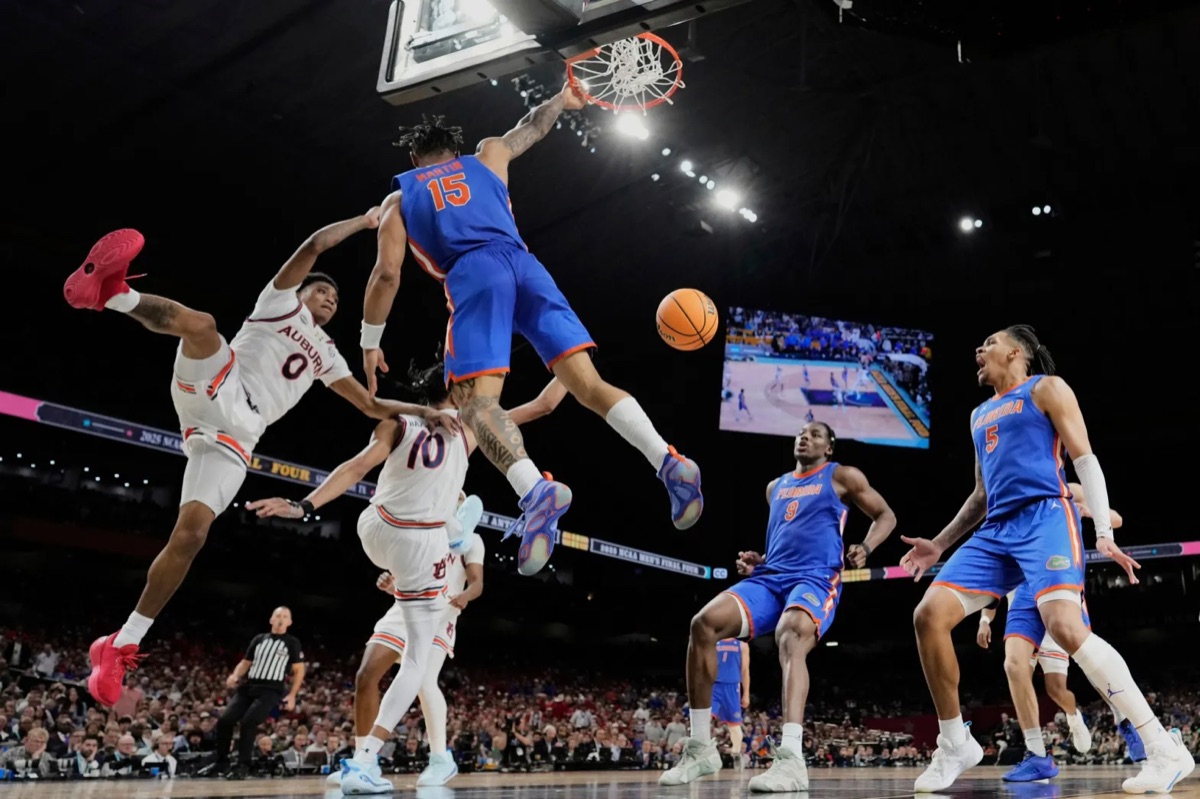
College Basketball Is a Pro Sport Now. Is Your Player Ready?
Nobody in college basketball talks about it the way they should. There’s still a lot of language about “student-athletes” and “amateur competition” and “the love of the game.” But the structure underneath has fundamentally changed — and young players who don’t understand that are walking into a professional sports marketplace completely unprepared.
Here’s the uncomfortable truth: college basketball is now professional sports. And the sooner a player understands that, the better their chances of actually competing in it.
What NIL Changed — and What People Miss About It
When the NCAA passed NIL (Name, Image, Likeness) legislation in 2021, most of the coverage focused on the upside: players finally getting paid. And yes, that’s real. Top-tier players at power conference programs are earning six and seven figures. Boosters funnel money through collectives. Coaches use NIL as a recruiting tool.
But the piece that doesn’t get discussed enough is what NIL did to the environment — not just for the stars, but for everyone.
When you introduce professional money into a system, you introduce professional decision-making. Coaches started asking a different question: Why develop a player when I can buy one?
The roster spot that used to go to a high-ceiling freshman now goes to a proven junior from a smaller conference who can produce immediately. The scholarship that used to be offered to a talented 17-year-old is held until a portal player with two years of college stats clears waivers.
This isn’t cynical — it’s rational. When your job depends on wins, and wins depend on talent, and talent is now available on an open market, you go to the market.
The Transfer Portal Numbers Are Staggering
Since the portal opened in 2018 — and especially since the one-time transfer exception was made permanent — the numbers have exploded. In recent years, over 1,500 Division I men’s basketball players have entered the transfer portal in a single cycle. Across all divisions, the number is several times higher.
High-major programs now fill 40–60% of their rosters through the portal. Mid-majors survive on it. Programs that used to recruit high school players almost exclusively now treat the portal as their primary recruiting channel.
What does that mean for a high school senior? It means they’re not just competing against other high school recruits for scholarship offers. They’re competing against 22-year-old juniors with 60 college games under their belt who want to move up, against international players who’ve been playing professionally since age 16, and against kids from Power 5 programs who didn’t fit the system but have full athletic résumés.
Coaches Are Recruiting Pros. Literally.
The portal isn’t even the ceiling anymore.
Coaches at mid-major and high-major programs now regularly recruit players who have played professionally overseas — in leagues in Europe, Australia, South America, and the G League pathway. These players are 20, 21, 22 years old. They’ve been in professional training environments. They’ve played in front of paying crowds. They don’t need to be developed. They need to be deployed.
Multiple programs have signed players who competed professionally in Europe as the primary transfer portal acquisition of their offseason. This is now standard.
For a 17-year-old with raw talent and upside? Coaches love the idea. But the clock is running. If you’re not ready to contribute by year two, a more proven option is a portal search away.
What This Means for Young Players Right Now
None of this means a young player can’t succeed in this environment. It means they need to understand the environment they’re entering.
You will be evaluated like a professional from day one. The moment you step on a college campus with a scholarship, the staff is measuring your production against what they could get from the portal. “He’ll develop” is a three-scholarship conversation. It’s not a nine-scholarship conversation.
Upside is no longer enough. Upside gets you recruited. Execution keeps you on scholarship. The gap between being recruited and being retained is where most players get lost.
Your development window is shorter than your parents’ generation. The player who arrives at a D2 program as a raw freshman, gets three years to develop, and blossoms into a starter as a junior? That path still exists, but it’s narrowing. Programs that are under pressure to win fill that freshman’s spot if he doesn’t produce by year two.
The One Thing That Offsets All of This
Here’s the part that should be motivating, not discouraging: the players who are already developed when they arrive at college have never been more valuable.
Coaches don’t go to the portal looking for projects. They go looking for finished products. A player who arrives at a D1 program as a 20-year-old post-grad — physically mature, skill-refined, emotionally ready for the pressure of college basketball — isn’t a liability. They’re exactly what the market is looking for.
The players who understand this early — who invest in a real development year before college instead of jumping at the first offer — are the ones building careers that last.
That’s exactly what a post-graduate year at a program like Florida Coastal Prep is designed to do. Not to delay college, but to ensure that when you arrive, you’re not a project. You’re a player who can produce.
The Mindset Shift That Changes Everything
Stop thinking about college basketball as the destination. Start thinking about it as a milestone.
If the goal is a professional career — and for serious players, it should be — then every step before that has to be evaluated through a professional lens. High school basketball develops habits. The college recruiting process reveals your marketability. The year before college shapes the version of you that coaches will pay to have on their roster.
The players who understand this don’t panic when they get passed over for a D1 offer right out of high school. They understand that the market rewards development. They invest in a year. They arrive better. They compete.
The players who don’t understand it chase offers, land somewhere they’re not ready for, lose the scholarship, and wonder what happened.
College basketball is a professional sport now. Prepare for it like one.
This is Part 1 of a 3-part series on the NIL era and what it means for player development.
| *Continue reading: Why Older Players Win the Transfer Portal — And What Younger Players Must Do About It | Train Like a Pro Before College: The New Standard for Player Development* |
Ready to get developed the right way? Learn about FCP’s post-grad program or contact us.
Ready to take the next step? Apply to Florida Coastal Prep.
Looking for college basketball programs? Browse our directory of 1,900+ programs across D1, D2, D3, NAIA, and JUCO — with coach contacts and recruiting info.