What Nobody Tells You About Post-Grad Basketball Programs (But Should)
Let me tell you something right now before you spend another minute googling “best post grad basketball programs” and reading garbage that’s going to cost your kid a year of his life.
Some of these programs are FRAUDS.
I don’t mean that loosely. I mean they built a website, rented a gym, threw “elite” in the name, charged your family thirty or forty thousand dollars, and gave your son a jersey and a prayer. And the worst part? Nobody in the industry says it out loud because everybody’s scared of burning bridges or losing business.
I’m not.
Here’s the deal. A post-grad basketball year — one extra year of training and competition after high school graduation, before college — can absolutely be the move that changes a player’s trajectory. It does NOT use NCAA eligibility. Done right, it can take a kid from zero offers to a legitimate D1 scholarship. I’ve watched it happen. The concept is real and it works.
But the industry around it? Full of people who figured out that desperate families are easy to sell.
So let’s talk about what nobody will actually say.
The Cash-Grab Programs Are Everywhere
Here’s how they work. They sign twenty-five or thirty players. They schedule a bunch of “showcases” — events where your son pays to play in front of coaches who may or may not show up. They call every game an “elite exposure event.” They throw around the word “development” constantly but can’t explain what that actually means for your specific kid.
And when the year is over and the player still doesn’t have a scholarship? “He just wasn’t ready.” “He needed to mature.” “College coaches weren’t biting this year.”
Nobody’s accountable. Nobody saw this coming. And you’re out thirty to fifty thousand dollars.
I’m going to say what nobody else will say: MOST POST-GRAD PROGRAMS DO NOT HAVE REAL COACHING. They have glorified camp counselors with a highlight reel. They have former players who were decent but never learned how to teach. They collect tuition and run out the clock.
What Separates Real Programs From Fake Ones
Ask these questions. If you don’t get a straight answer, walk away.
One: Who is actually coaching, every day, on the floor?
Not “who is our director of player development.” Not “who do we bring in for clinics.” Who is IN THE GYM, teaching your son, correcting his footwork, watching film with him? If they name somebody who played college ball a decade ago and “has a passion for the game,” keep moving.
Two: What circuit do you compete in? Against whom?
There’s a big difference between a real national prep circuit and a collection of scrimmages they’re calling a schedule. Real post-grad basketball programs compete against other real programs in front of real coaches. If they can’t name the specific circuits and the specific programs you’ll face, they are making the schedule up as they go.
Three: What is your player-to-offer ratio from last year?
Not “our alumni have gone on to play college ball.” LAST YEAR. How many players came in, how many left with scholarship offers? If they dodge this question or pivot to one or two success stories, those are the outliers. You deserve the full picture.
Four: What does a typical Tuesday look like?
Practice structure, film, strength training, academics — give me the schedule. Real programs can answer this without hesitating. Programs that are winging it will tell you about the “holistic experience” and “flexible development pathways.” That means nothing happens unless someone’s watching.
Five: Can I talk to three players from last year’s roster?
Not references they handpick and prep. Can I reach out to whoever I want from last year? If the answer is anything other than “absolutely, here’s how,” there’s a reason.
What College Coaches Actually Think
Here’s where families get confused. They assume a PG year automatically signals something negative to college coaches. It doesn’t. Not if it’s done at the right program.
What college coaches think when they see a PG year on a recruiting profile depends almost entirely on WHERE that year was spent.
A player who did his post-grad year at a program with a credible coaching staff, a real schedule, and documented results? That coach sees someone who was self-aware enough to know he needed more time and smart enough to invest it wisely. That’s a POSITIVE signal. It shows maturity. It shows coachability.
A player who did his post-grad year at some operation that can’t be found on any circuit, has no film worth watching, and can’t produce a single college coach who’s seen the program play? That coach gets suspicious. The PG year becomes a liability instead of an asset.
The post-grad year itself is not the question. The question is whether you spent it somewhere that made you better and put you in front of the right people.
College coaches don’t have time to investigate every program. They use the reputation of the program as a signal for the credibility of the player. You need to be coming from somewhere they recognize and respect.
What FCP Actually Does
I’m going to be specific because specific is the only thing that matters.
Florida Coastal Prep is in Fort Walton Beach, Florida — on the Emerald Coast — and has been running since 2019. Seven seasons. Athletes from 43 states and 22 countries have come through this program. That’s not a marketing number. That’s what happens when a program actually works and word gets out.
The coaching staff is led by Kenny Anderson. Twelve years in the NBA. All-Star. Not a guy who played one or two seasons and padded the bio. TWELVE YEARS as a professional basketball player who learned the game at the highest level under the best coaches in the world. The program director is Lee DeForest with 25-plus years of coaching experience. These are real people with real credentials who are on the floor every day.
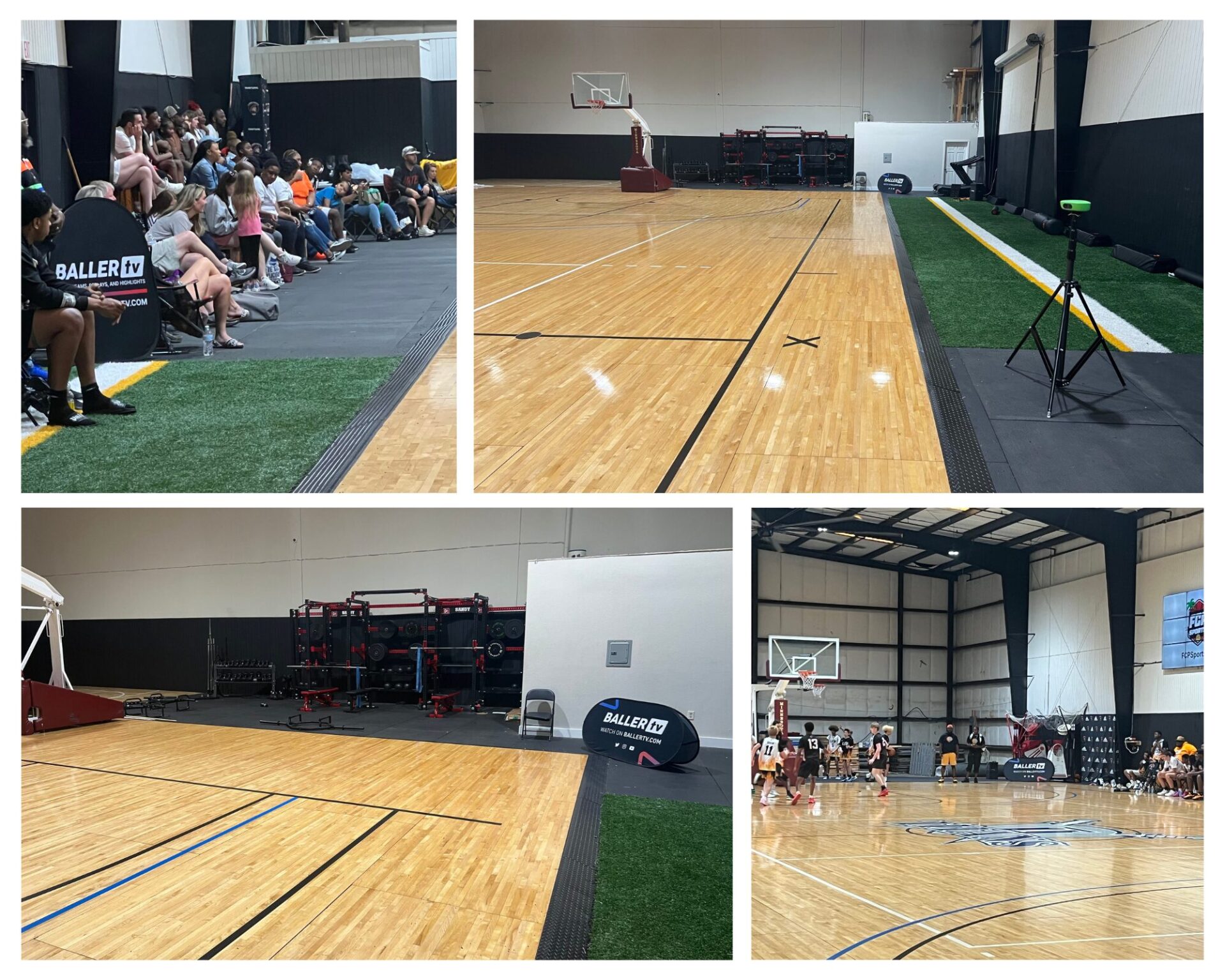
The facility is a 14,000 square foot indoor training center — the Spartan Training Center. Year-round, weather-proof, no excuses about Florida rain or outdoor courts or sharing gym time.
ESPN’s Paul Biancardi — and if you don’t know that name you need to look it up, he evaluates top talent nationally — called FCP “first class treatment of players.” That’s not a quote they manufactured. That’s Paul Biancardi.
FCP competes in SEHAL and PHSBA. Those are real national prep circuits with real competition. Not showcases dressed up as games. Real games against real programs where college coaches can come and watch your son play under pressure.
Alumni? Sean East II came through FCP. He played at Missouri. He’s in the NBA. Ring Malith is at SIU Edwardsville at the D1 level. These aren’t inflated numbers — these are names with faces and careers you can look up right now.
And the price? A fraction of what IMG Academy charges. IMG runs $80,000 to $90,000 a year. FCP gives you everything that matters in player development — the coaching, the facility, the competition, the exposure — without requiring you to mortgage the future to pay for it. You can read more about why post-grad makes sense and see the alumni results for yourself.
Stop Overthinking It. Start Asking The Right Questions.
Here’s the truth that nobody wants to say in a sales brochure.
A PG year at the RIGHT program is one of the smartest moves a player who isn’t ready for college basketball can make. Full stop. The eligibility clock doesn’t start. The body has another year to develop. The basketball IQ can catch up. The film can get better. The offers can come.
A PG year at the WRONG program is a waste of money and time that your son will never get back. Worse, it can make college coaches skeptical instead of interested.
The industry is full of people who are counting on you not knowing the difference.
Now you know what questions to ask. Ask them. Every single one. If a program can’t answer them clearly, directly, and with evidence — walk away.
If you’re serious about your son’s college basketball future and you want to find out whether FCP is the right fit, apply now or go deep on the post-grad program page and see the details for yourself.
No hype. No vague promises. Just the work.
That’s the only kind of program worth your time.
Florida Coastal Prep is a post-grad and high school basketball program in Fort Walton Beach, Florida. Questions about the program? Contact the coaching staff.
Looking for college basketball programs? Browse our directory of 1,900+ programs across D1, D2, D3, NAIA, and JUCO — with coach contacts and recruiting info.