Quick Answer: You Still Have Routes After High School
If you did not sign with a college basketball program during high school, your path is not over. The six real routes are a post-grad basketball year, JUCO, NAIA, NCAA Division II, NCAA Division III, and walking on at a school you are already admitted to.
The routes are not the hard part. The hard part is being honest about which one fits you, and then doing the unglamorous work: new film, a clean transcript, a realistic target list, and outreach that actually reaches a coach.
Recruiting Is Targeting, Not Hoping
The right college list depends on film, academics, size, position, timeline, budget, and roster need. FCP's recruiting pages point families toward recruiting strategy, program research, and placement proof instead of generic exposure language.
How This Page Is Grounded
This guide is built from FCP's published program facts: Fort Walton Beach location, supervised housing, the 14,000 sq ft Spartan Training Center, coaching staff, college placement history, academics, tuition context, and recruiting resources. Families should verify fit through coaches, housing, tuition, commitments, and admissions.
Connect With Us
Recruiting updates, commitment news, and program info, direct to your inbox.
First, Be Honest About Why You Are Unsigned
Nobody moves forward until this question gets a real answer. Unsigned players almost always have one or more of these six gaps, and the fix is different for each.
| The Gap | How You Know | What Fixes It |
|---|---|---|
| No usable film | You have a highlight reel and no full games. | A season where full games get recorded and posted. |
| Weak schedule | Coaches say "who did he play?" | A schedule against opponents coaches recognize. |
| Academic risk | Nobody has checked your core courses or GPA against requirements. | An eligibility review now, and coursework to close the gap. |
| Body and strength | You get moved off your spot and fade late in games. | A year of real strength and conditioning, not a summer. |
| No outreach | You are waiting to be found. | Direct, specific emails and calls, from you and from a coach who knows people. |
| Wrong target list | Every school on your list is Division I. | An honest level assessment from someone with nothing to sell you. |
The last one is the most common and the most expensive. A player who will not consider NAIA or JUCO in November often ends up with nothing in June. A player who targets honestly gets minutes, gets film, and frequently transfers up two years later at a higher level than he would have reached by waiting.
The Six Routes, Compared
| Route | Best Fit | Timeline | Main Risk |
|---|---|---|---|
| Post-grad year | Players who need new film, strength, maturity, and a staff working the phones. | One year, then enroll in college. | Choosing a weak program with no placement record. |
| JUCO | Players who need credits, development, minutes, and a transfer route up. | One to two years, then transfer. | Landing at the wrong competitive level and sitting. |
| NAIA | Players with solid academics who want four years and athletic aid. | Enroll directly. | Dismissing the level without watching it play. |
| NCAA Division II | Players close to D1 athletically who need to prove it on film. | Enroll directly. | Late contact after rosters and money are gone. |
| NCAA Division III | Strong students who want to play and prioritize the degree. | Enroll directly. | No athletic scholarships, so cost depends on academic aid. |
| Walk-on | Students already admitted somewhere with a real tryout route. | Tryout in the fall. | No scholarship and no roster certainty. |
Two things worth saying plainly. Division I is roughly 350 schools out of well over a thousand that play college basketball, so the vast majority of college players are somewhere else. And the level you start at is not the level you finish at. Transfers move up every year.
Eligibility: Handle This Before Anything Else
You can do everything else right and still lose the year on paperwork. The rules differ by association and they get updated, so treat what follows as a checklist of things to verify rather than a final answer.
- Register early. If NCAA schools are on your list, register with the NCAA Eligibility Center and have your transcript and test scores sent. NAIA and NJCAA have their own separate processes.
- Know your clock. Each association has rules about when your eligibility begins and how long you have to use it. A post-grad year and a gap year are not treated the same way. Ask specifically about your situation, in writing.
- Check core courses, not just GPA. Plenty of players with a decent overall GPA are short a required core course and do not find out until spring.
- Get amateurism right. Anything involving payment, agents, or professional teams needs to be disclosed and reviewed before you enroll.
Any program that shrugs at these questions is a program that will not be there when the problem surfaces. Ask who on staff owns eligibility, and get a name.
What A Post-Grad Year Is Supposed To Buy You
A post-grad year is not thirteenth grade. It is a single-purpose year with four deliverables: better film, a stronger body, a cleaner academic file, and a staff actively contacting colleges on your behalf. If a program is not producing all four, it is charging you for a gym membership with a bus.
6 Months to Change Everything, episode one of FCP's docuseries following athletes through a post-grad season.
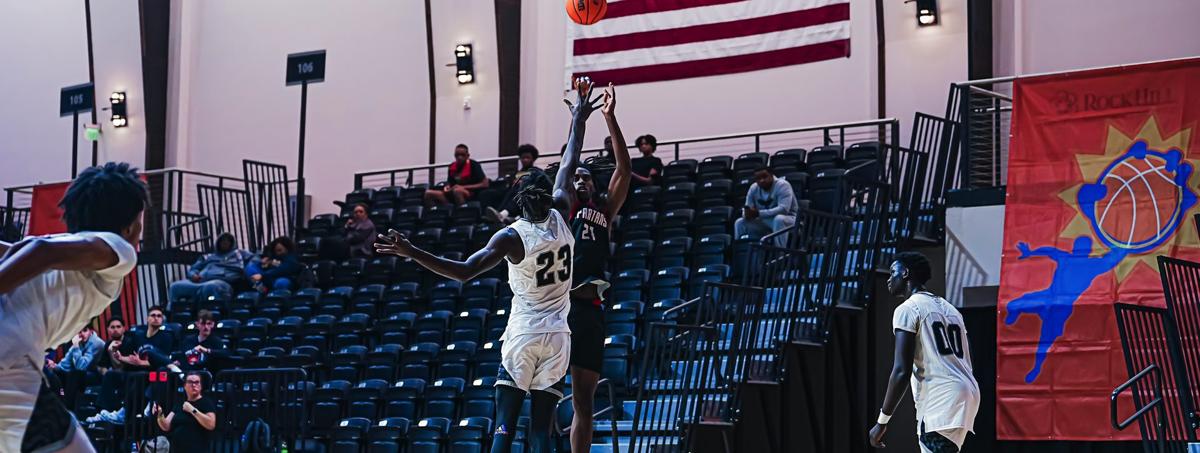
At Florida Coastal Prep that year runs on a fixed daily schedule: academics in the morning, team practice in the afternoon, strength and conditioning in the early evening, supervised study hall at night, and open gym access after that. Full games are recorded and posted publicly on the FCP YouTube channel so college coaches can evaluate a whole game instead of a highlight edit.
A Month-By-Month Plan For An Unsigned Player
Recruiting rewards people who work a calendar. Here is a realistic one.
- Right now. Get an honest level evaluation from someone who is not selling you a dream. Measure your real height without shoes. Pull your transcript.
- Weeks one to four. Build the file: two or three full games, a short highlight clip that links to those full games, transcript, test scores if you have them, accurate contact information, and a one-paragraph honest self-description.
- Month two. Build a target list of thirty to forty schools across at least three levels. Research each roster: who graduates, what position they need, whether they play a style that fits you.
- Month three. Send individual emails. Not a blast. Each one names the school, names the coach, names the reason you fit their roster, and links straight to a full game with a timestamp.
- Months four to six. Follow up every two to three weeks with new film. Coaches sort by who is improving. Add schools as your evaluation gets sharper.
- Spring and summer. Stay ready. Rosters move late. The players who sign in June are the ones who still have current film and an inbox a coach already recognizes.
How To Email A College Coach So It Gets Opened
Coaches delete generic emails in under a second. A good one is short and does four things.
- Subject line with the facts. Position, height, graduation year, and your current program.
- One sentence proving you know their team. Name a player who graduates, a need you fill, or something about how they play.
- The link. A full game with a timestamp of where to start, not just a mixtape. Add your transcript and academic status.
- A direct ask. Are you recruiting this position for this class, and can I send updated film in three weeks?
Never inflate your height or your grades. Coaches measure everyone eventually, and the moment one number is wrong they stop believing the rest of the email.
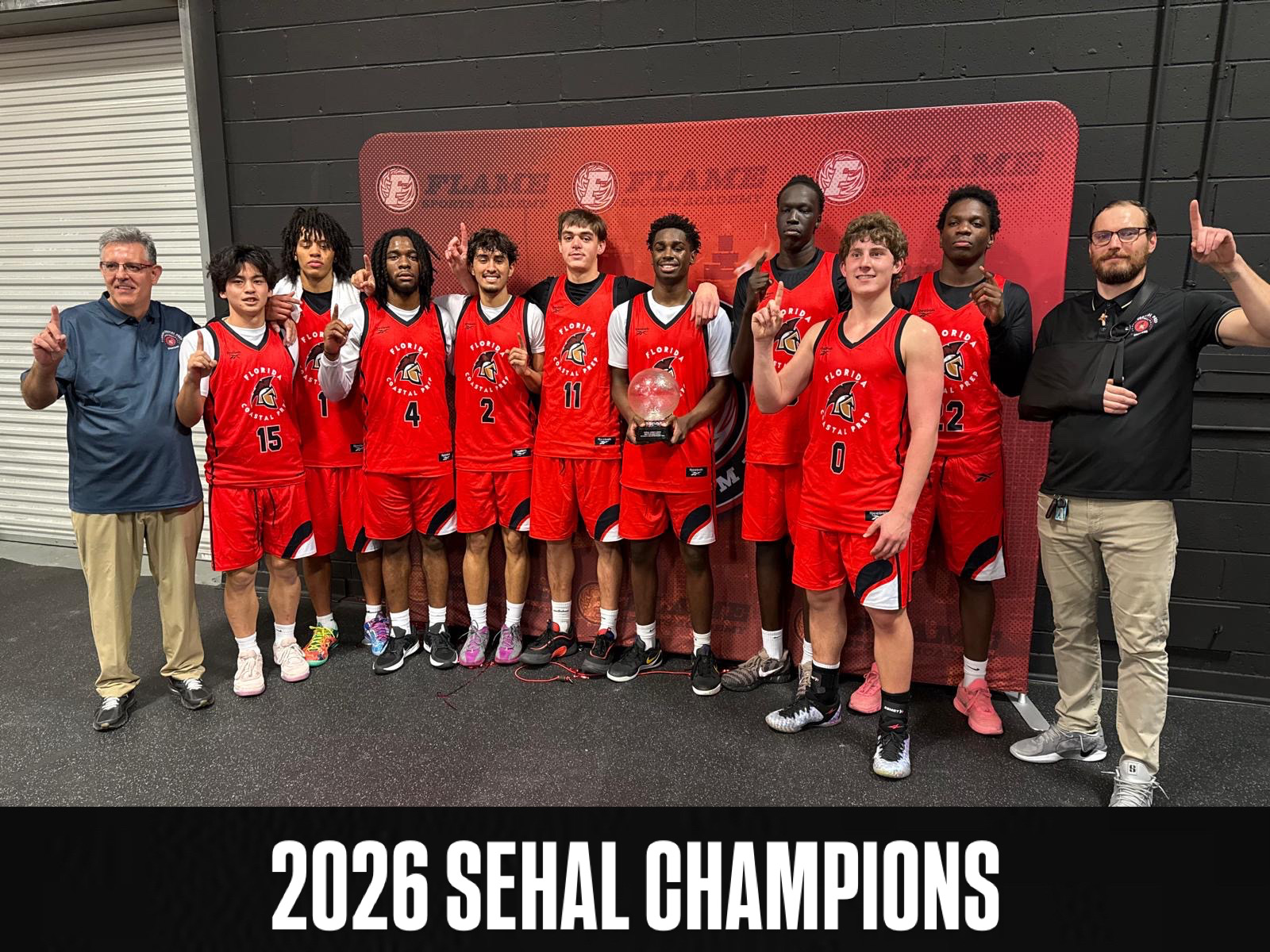
Where FCP Athletes Have Landed
These numbers come straight from the same data behind the commitments page, so they stay current.
| Level | FCP Athletes Placed |
|---|---|
| NCAA Division I | 11 |
| NCAA Division II | 10 |
| NCAA Division III | 2 |
| NAIA | 7 |
| JUCO | 27 |
| Professional | 2 |
| Total tracked commitments | 59 |
Division I destinations include DePaul University, Houston Christian University, Northwestern State University, Radford University, SIU-Edwardsville, Southern University, Troy University, UMKC, University of Idaho, University of Mississippi. The large JUCO number is deliberate and honest. Junior college is where a lot of good players go to become recruitable, and several FCP athletes reached Division I by way of a level they were told to be embarrassed about.
Red Flags When Choosing A Post-Grad Program
- They guarantee a Division I scholarship. Nobody can guarantee that.
- They cannot show you a full game from last season without a login.
- They will not give you a placement list with names and schools.
- The roster is enormous and nobody will tell you the practice group size.
- No one on staff owns academic eligibility.
- Their honest answer to "what if my son is a JUCO player?" is that he is definitely not.
Keep Reading
Start with Post-Grad Basketball and Why A Post-Grad Year, then compare JUCO programs, NAIA programs, D2 programs, and D3 programs. Also useful: the Unsigned Senior Recruiting Plan and Basketball Academy For College Recruiting.
The Post-Grad Year Has To Create Separation
A good post-grad year is not a pause button. It should change the player's body, habits, film, academic profile, and college options. FCP's post-grad content is built around that standard: one year, clear development priorities, and a recruiting plan that matches the player's actual level.
How This Page Is Grounded
This guide is built from FCP's published program facts: Fort Walton Beach location, supervised housing, the 14,000 sq ft Spartan Training Center, coaching staff, college placement history, academics, tuition context, and recruiting resources. Families should verify fit through coaches, housing, tuition, commitments, and admissions.
Plan the Whole Recruiting Path
These guides connect the questions families ask before choosing a basketball academy: development, housing, cost, recruiting, and realistic college options.
Unsigned After High School?
Send your film and academics so FCP can help evaluate the right next step. An honest read costs nothing.