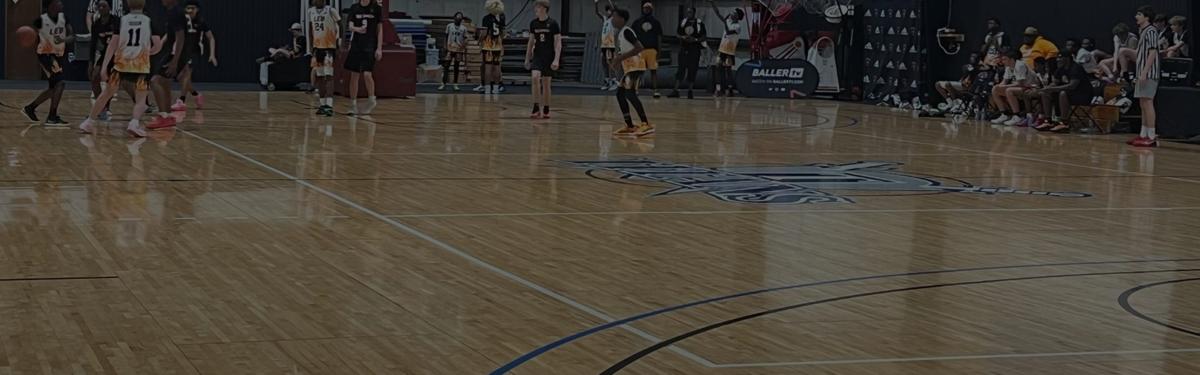
NCAA Division I basketball is the most competitive level of college basketball in the world, and getting recruited requires much more than raw talent. Coaches at D1 programs are evaluating hundreds of players per position class, and they need to see the right information, at the right moment, in the right format.
This guide covers every step of the recruiting process, at D1 and at the D2, D3, NAIA, and JUCO levels where most college players land, so players and families can approach it with a clear, strategic plan.
1. Know Your Level First
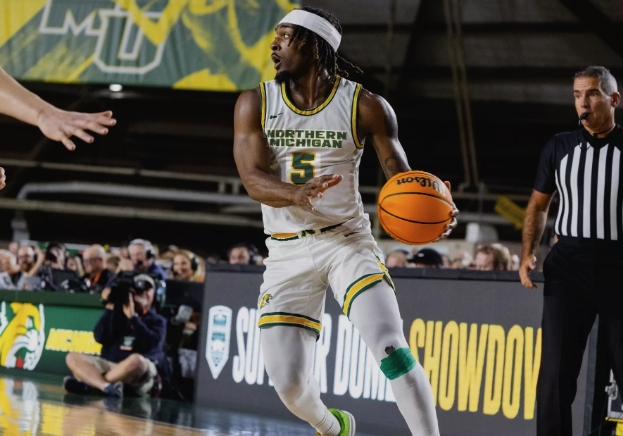
Before you do anything else, you need an honest answer to one question: what level am I actually good enough to play at right now? Not the level you want to play at, and not the level your parents think you should play at. What level do the numbers and the film say you are at today?
This is not about aiming low. Players who overestimate their current level can spend two years emailing D1 programs with no responses, when they could have been building relationships at D2 or NAIA programs that would have taken them seriously from day one. Here is a rough framework:
- D1: Elite athleticism, a high-major or mid-major skill set, a strong AAU pedigree, and a 3.0+ GPA in core courses.
- D2: Skilled, competitive, coachable players. A strong fit for programs that prioritize development.
- D3: Academic and athletic balance. Serious programs with real competition, just no athletic scholarships.
- NAIA: Often overlooked. Strong scholarships, legitimate basketball, and a faster path for the right players.
- JUCO: A two-year bridge. Great for players who need to develop academically or physically before a four-year program.
Be honest. Then be aggressive within that range, and above it. There are over 1,800 college basketball programs across these five levels. Browse all of them in our directory.
2. What D1 Coaches Actually Look For
College basketball has fundamentally changed. The transfer portal, NIL contracts, and one-year roster turnover have turned D1 programs into professional operations. Coaches are evaluated on wins, not on player development over four years. They need immediate production, and they recruit accordingly. Here's what actually drives offers today:
- Transfer portal experience (now #1): Coaches actively prefer players who've already played college basketball at any level. If you've competed in a college program, even D2, NAIA, or JUCO, you've proven you can handle the grind of D1 basketball, you understand offensive and defensive concepts at the college level, and you've produced on film against real competition. In a roster model built on one-year contracts, a known commodity beats a raw high school prospect almost every time.
- Size and athleticism at your position: Can you play D1 on day one? Coaches no longer have the roster space or the job security to develop a player over three or four years. They need someone who is physically ready right now. Height, wingspan, quickness, and strength are evaluated against D1 standards for your specific position, not just potential.
- Production and film: Points, rebounds, assists, and defensive stats against competitive opponents. Coaches want to see numbers in real games, not just highlight clips. Full game film showing your IQ, decision-making, and performance under pressure matters more than a curated reel.
- Basketball IQ and system fit: Off-ball movement, defensive rotations, decision-making under pressure. Coaches are running specific systems and need players who can execute from day one, not learn the game at their expense.
- Academics and eligibility: NCAA Eligibility Center clearance is non-negotiable. A weak transcript ends conversations before they start. With roster spots at a premium, coaches will not risk a scholarship on an academically ineligible player.
- Character and coachability: Coaches share information. Your reputation at tournaments, with your high school or college coach, and in the locker room travels. In a world where one bad actor can blow up a program's NIL culture, character is evaluated harder than ever.
The NIL era is professional basketball with college branding. Top D1 programs are paying players through NIL collectives, some six figures. Rosters turn over annually. Coaches need to win immediately or lose their jobs. That reality reshapes everything about what they look for in a recruit: readiness, production, and fit, not upside.
3. NCAA Eligibility, Handle This First
Before a D1 coach can offer a scholarship, you must be cleared by the NCAA Eligibility Center (ncaa.org). This is non-negotiable at every D1 program in the country.
Core Academic Requirements
- Minimum 16 core courses in approved subjects (English, math, science, social science, foreign language)
- Minimum 2.3 GPA in those core courses (sliding scale with test score)
- Standardized test score that meets the sliding-scale threshold
- Graduate from high school on time
Start early. Register with the NCAA Eligibility Center at the beginning of your junior year. Review your transcript every semester. A single failed core course can cost you eligibility at programs that would otherwise offer you.
Requirements by Level
| Division | GPA Requirement | Test Scores | Core Courses |
|---|---|---|---|
| NCAA D1 | 2.3 GPA (sliding scale with test scores) | SAT/ACT (sliding scale) | 16 core courses |
| NCAA D2 | 2.2 GPA (sliding scale with test scores) | SAT/ACT (sliding scale) | 16 core courses |
| NCAA D3 | Set by each institution | Set by each institution | Admission-based |
| NAIA | 2.0 GPA | 18 ACT / 970 SAT | Meet 2 of 3 criteria |
| JUCO | 2.0 GPA (varies by school) | Varies | HS diploma or GED |
For NAIA, register through the NAIA Eligibility Center. FCP's academic program includes accredited coursework through Colorado Christian University and guided college application support to help every athlete meet eligibility requirements.
4. Your Recruiting Film, Your Most Undervalued Asset
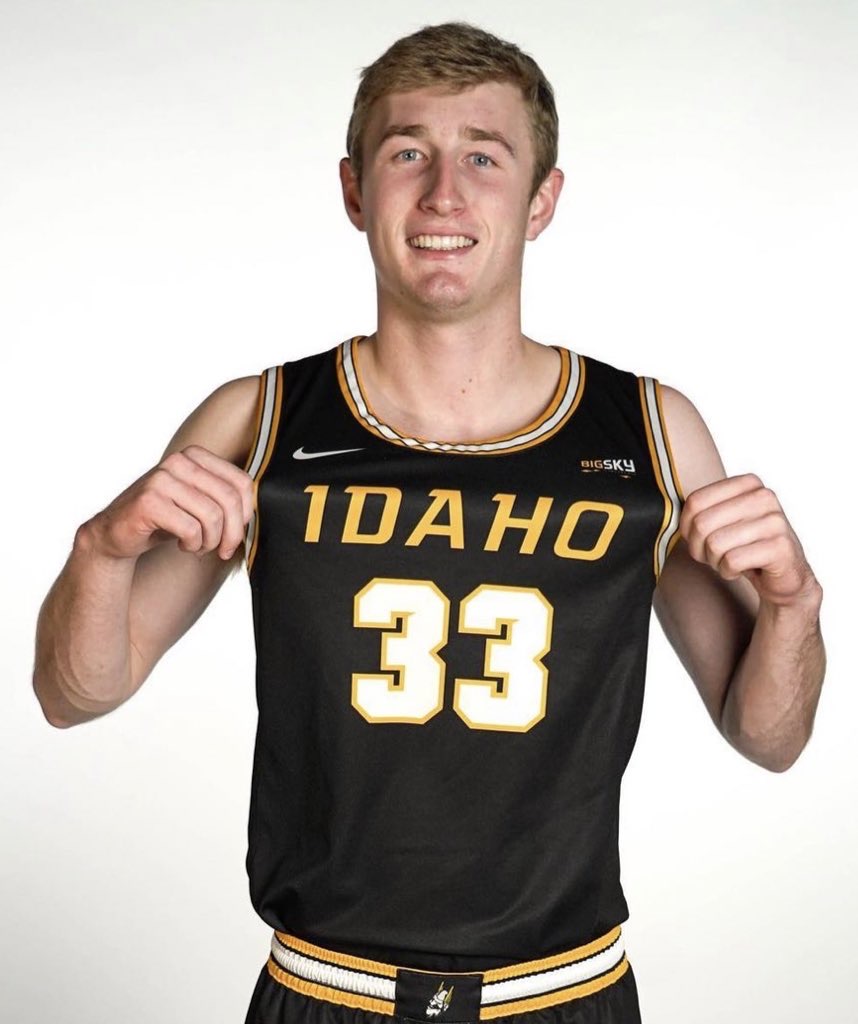
Coaches cannot attend every event. Your film is often the first evaluation they make before deciding whether to recruit you further.
What makes a strong recruiting film:
- Highlight reel (3–5 min): Your best plays by category, scoring, defense, playmaking. Open with your top 3 plays.
- Full game film: Shows coaches your IQ, off-ball movement, and how you perform over 32 minutes.
- Camera angle: Wide-angle shot that shows you and nearby defenders simultaneously. Phone video from the baseline is ignored.
- Updated regularly: Upload new film every 6–8 weeks. Coaches want to see where you are now, not where you were last year.
5. Build Your Recruiting Profile
Think of your recruiting profile as a resume. Coaches receive hundreds of emails, so yours needs to stand out by being professional, concise, and complete. Every profile should include:
- Full name, height, weight, position, graduation year
- High school and AAU/travel team with coach contact info
- GPA and test scores (SAT/ACT). Academics matter at every level.
- Season stats: points, rebounds, assists, steals per game
- Highlight film link (YouTube or Hudl, never send attachments)
- Full game film link. Coaches want to see how you play in real minutes, not just dunks.
- Your phone number and email, so coaches can reach you easily
At FCP, we build professional recruiting profiles for every athlete in our post-grad and high school programs, including professional game film shot at our 14,000 sq ft facility.
6. Exposure Events That D1 Coaches Attend
D1 coaches live in evaluation periods, NCAA-regulated windows when they can watch prospects. Being at the right events during these windows is critical.
- Nike EYBL, Adidas 3SSB, Under Armour Association: The top three AAU circuits. The highest-rated D1 programs recruit almost exclusively from these events.
- Independent showcases: Programs like Pangos, HoopSeen, and Perfect Game attract mid-major to high-major programs and are accessible to a wider range of prospects.
- High school season: Your varsity season matters. Coaches call your high school coach, watch your school's schedule, and sometimes attend games. Play hard every night.
Mid-major programs offer more scholarship opportunities than most players realize. There are 362 D1 schools, only about 65 are "high-major." The remaining 297 programs offer full scholarships, genuine playing time, and real paths to professional basketball.
7. How and When to Contact Coaches
NCAA rules govern when coaches can contact you, but you can contact them at any time.
- Email first: A brief, professional email with your name, position, graduation year, film link, and GPA is the standard opening. Keep it under 150 words.
- Follow up: If you don't hear back in two weeks, send one follow-up. Persistence is professional; pestering is counterproductive.
- Official visits: These are funded by the school and happen after a coach is seriously interested. You get five official visits, use them wisely.
- Unofficial visits: You pay your own way and can take as many as you want. Good for gauging interest and building relationships.
8. Handle Offers and Visits
When offers start coming in, slow down. This is where families make costly mistakes.
Don't commit to the first offer just because it's an offer. A scholarship offer is a starting point for a conversation, not a finish line. You have the right to visit multiple schools, ask hard questions, and take time to decide. Use your official visits at schools where you have already built a relationship with the coaching staff, and come prepared with specific questions.
Questions that actually matter:
- What position and role do you see me playing as a freshman?
- What does the current depth chart look like at my position?
- What's your history with players who came in at my level, and where are they now?
- What academic support is available for athletes?
A verbal offer is not binding for you or the coach. It can be pulled. Don't stop contacting other programs until you've signed an NLI or a scholarship agreement.
9. The Recruiting Timeline by Year
8th–9th Grade: Build Your Foundation
Focus on skill development. Join a reputable AAU program. Prioritize core courses and GPA from day one of high school, every grade counts for the NCAA sliding scale.
10th Grade: Start Creating Visibility
Begin attending camps at programs you're interested in. Create recruiting profiles on platforms coaches check (Hudl, On3, 247Sports). Get film produced professionally.
11th Grade: The Critical Year
Register with the NCAA Eligibility Center. Most D1 offers happen between the spring of junior year and early senior fall. Maximize your AAU spring and summer. Contact coaches directly via email with updated film.
12th Grade: Close the Deal
Take official visits, evaluate offers, and sign your NLI during the signing period. If you don't have an offer yet, post-grad programs like FCP give you another year to earn one.
10. Common Recruiting Mistakes to Avoid
- Waiting until senior year to start recruiting. By the time most players start reaching out, many rosters are already full. Start by junior year at the latest.
- Only targeting D1 programs. D2, D3, NAIA, and JUCO programs offer excellent basketball, scholarships, and education. Narrowing your focus to D1 means missing hundreds of real opportunities.
- Ignoring academics. Coaches want players who can stay eligible. Take your grades seriously from freshman year.
- Sending a 10-minute highlight tape. Coaches do not have time. Keep it under 4 minutes, lead with your best plays, and include game film, not just workout clips.
- Relying on your high school coach to handle recruiting. Your coach can advocate for you, but the recruiting process is ultimately your responsibility.
- Not having full game film available. Highlights get attention, but full game film closes the deal. If a coach asks for full film and you do not have it, the conversation ends.
11. Post-Graduate Year: An Underused Option
If you graduate from high school without a D1 offer, or with an offer that doesn't fit, a post-graduate year at a prep school gives you 12 months to close the gap. This option is widely used by players who eventually earn D1 scholarships, and it is increasingly common at every level from mid-major to Power Conference programs.
A strong post-grad year can change your entire recruiting outcome. It gives you another full recruiting cycle, better film, improved measurables, and additional exposure to coaches who hadn't previously evaluated you. A post-grad year does not use NCAA eligibility. You enter college with four full years. Read why a post-grad year works.
College Basketball Recruiting FAQ
What GPA do I need to play college basketball?
For NCAA Division I, you need at least a 2.3 GPA in 16 core courses (with a sliding scale tied to your SAT/ACT scores). NCAA D2 requires a 2.2 GPA with 16 core courses. NAIA requires a 2.0 GPA and you must meet two of three criteria (GPA, test scores, class rank). JUCO programs generally require a high school diploma or GED with a 2.0 GPA.
How long should my basketball highlight video be?
Keep your highlight tape between 3 and 4 minutes. College coaches review hundreds of videos and typically spend 30 to 45 seconds deciding whether to keep watching. Lead with your best plays, include your name and contact information in the first few seconds, and always have full game film available as a separate link.
Can I play college basketball if I did not get recruited in high school?
Yes. Thousands of college basketball players were not heavily recruited out of high school. Options include attending a post-graduate prep program for an additional year of development and exposure, walking on at a college program, starting at a JUCO and transferring, or attending an NAIA or D3 program. A post-grad year gives you a full season of new film, better coaching, and direct connections to college programs.
What is the difference between NCAA, NAIA, and JUCO basketball?
The NCAA governs Division I, II, and III programs at four-year colleges. D1 is the highest level with full athletic scholarships, D2 offers partial scholarships, and D3 does not offer athletic scholarships but often provides strong academic aid. The NAIA is a separate governing body with 250+ programs that offer athletic scholarships and have a faster, less restrictive recruiting process. JUCO programs are two-year schools where players can develop and transfer to a four-year program.
FCP Handles Every Step of This Process
Florida Coastal Prep has placed players at every level of D1 basketball, from mid-majors to Power Conference programs. Our staff manages your film production, eligibility tracking, coach outreach, and event exposure from day one. If you're serious about earning a D1 offer, the first step is an application.
Related Resources
- Full College Basketball Programs Directory, All Levels
- D1 Basketball Programs, Browse by State
- D2 Basketball Programs, Browse by State
- NAIA Basketball Programs, Browse by State
- JUCO Basketball Programs, Browse by State
- Best JUCO Basketball Programs, Complete Recruiting Guide
- D1 Basketball Scholarship Guide
- How NAIA Recruiting Works
- How JUCO Recruiting Works
- Coach Search, Find and Contact Coaches
- FCP Recruiting Insider Newsletter
- FCP's Recruiting Strategy