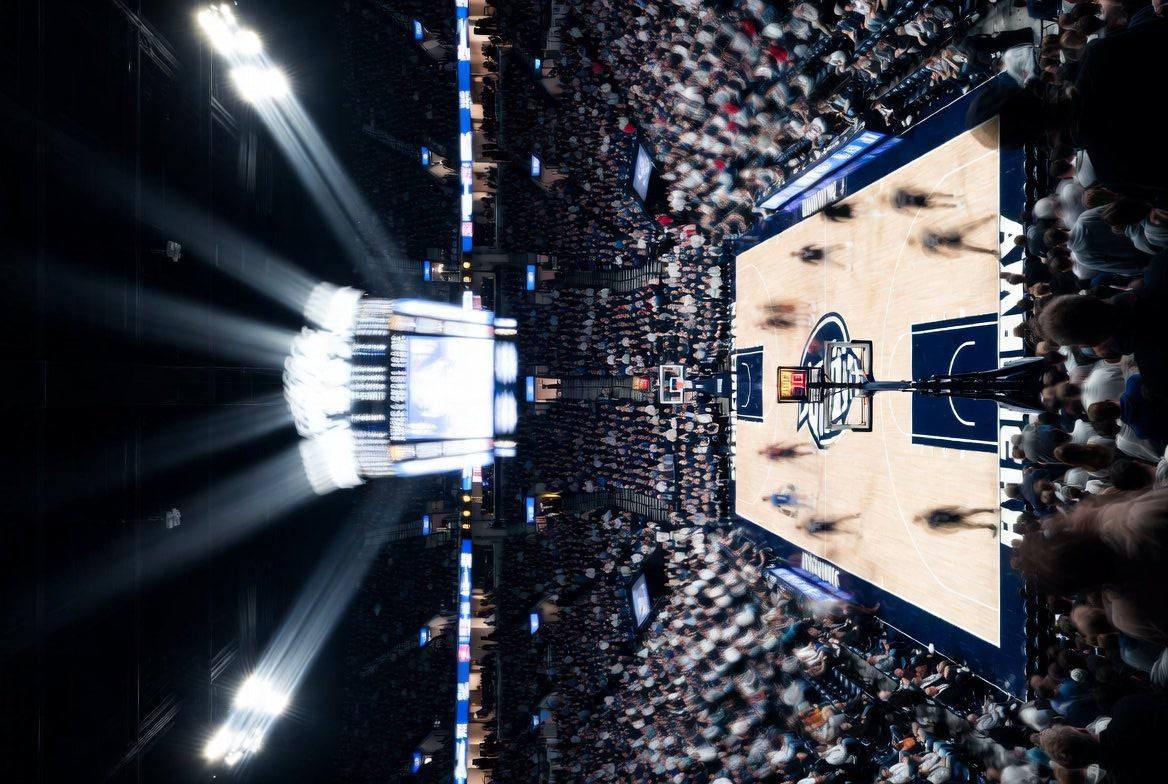
The Recruiting Reality
Only about 3.4% of high school basketball players go on to play at the college level. That means for every 1,000 varsity players, roughly 34 earn a college roster spot. The numbers are even tighter at the Division I level, where fewer than 1% of high school players compete. But here is the truth most people miss: recruiting is not just about talent. It is about visibility, timing, academics, and strategy. At Florida Coastal Prep, our coaching staff has placed athletes at every college level over the past 7 seasons. This guide breaks down exactly what it takes to get recruited.
1. Start Early: When to Begin the Recruiting Process
The biggest mistake families make is waiting until senior year to think about recruiting. College coaches identify prospects early, and the best opportunities go to players who are proactive. Here is a realistic timeline:
Focus on development. Play AAU or travel ball, work on your game daily, and keep your grades up from day one. Start a list of colleges that interest you. Register with the NCAA Eligibility Center at the end of sophomore year.
This is when most recruiting happens. Create your highlight film, build a prospect profile, and begin emailing college coaches directly. Attend camps and showcases. NCAA D1 and D2 coaches can begin contacting you on June 15 after sophomore year.
Official and unofficial visits happen now. Narrow your list, make decisions, and sign. If offers have not come yet, do not panic, but intensify your outreach. Consider the post-graduate route as a strategic option.
2. Build Your Basketball Resume
Think of your recruiting profile as a resume. Coaches receive hundreds of emails, yours needs to stand out by being professional, concise, and complete. Every profile should include:
- Full name, height, weight, position, graduation year
- High school and AAU/travel team with coach contact info
- GPA and test scores (SAT/ACT), academics matter at every level
- Season stats , points, rebounds, assists, steals per game
- Highlight film link (YouTube or Hudl, never send attachments)
- Full game film link , coaches want to see how you play in real minutes, not just dunks
- Your phone number and email , make it easy for coaches to reach you
At FCP, we build professional recruiting profiles for every athlete in our post-grad and high school programs, including professional game film shot at our 14,000 sq ft facility.
3. Create a Highlight Reel That Actually Gets Watched
College coaches spend an average of 30 to 45 seconds on a highlight tape before deciding whether to keep watching. Your film needs to grab attention immediately and show the right things. Here is what coaches at every level tell us they look for:
- Keep it under 4 minutes. Three minutes is ideal. Lead with your best plays.
- Show game film, not workout clips. Coaches want to see how you compete against real opponents.
- Include your name, position, grad year, and contact info in the first 3 seconds.
- Show basketball IQ , good passes, defensive rotations, running the floor, not just scoring.
- Include full-game footage as a separate link. Coaches who like your highlights will want to see full possessions.
- No music-only edits. Coaches want to hear the game, it shows context and intensity.
Our coaching staff has reviewed thousands of highlight tapes as both college recruiters and prep school coaches. We know exactly what gets a coach to pick up the phone, and we produce professional film for every FCP athlete as part of our recruiting strategy.
4. Contact College Coaches the Right Way
Waiting for coaches to find you is not a recruiting strategy. You need to reach out directly, and do it the right way. Here is how:
The Initial Email
Keep it short, professional, and specific to the school. Coaches can tell when you send the same generic email to 200 programs. Include:
- A subject line with your name, position, and grad year
- One sentence about why you are interested in their specific program
- Your key stats and physical measurables
- Links to your highlight tape and full game film
- Your high school coach or AAU coach's contact info as a reference
Follow Up
Follow up 2 to 3 weeks after your initial email if you have not heard back. Coaches are busy, a follow-up is not annoying, it shows genuine interest. Update them with new stats, film, or upcoming events where they can see you play. Find coach contacts for every D1, D2, D3, NAIA, and JUCO program at College Basketball Recruit.
5. Understand the College Basketball Divisions
One of the most common recruiting mistakes is only targeting D1 programs. There are over 1,800 college basketball programs in the United States across five levels, and all of them offer competitive basketball, quality coaching, and the chance to earn a degree while playing the sport you love.
362 programs. Full athletic scholarships. Highest competition level. Less than 1% of high school players reach D1.
NCAA Division II300+ programs. Partial scholarships. Strong balance of athletics and academics. Excellent development opportunities.
NCAA Division III400+ programs. No athletic scholarships, but academic aid available. Many top academic institutions compete at D3.
NAIA250+ programs. Athletic and academic scholarships. Faster recruiting process with fewer restrictions.
JUCO500+ programs. Two-year pathway to a four-year school. Excellent option for academic or athletic development.
6. Get Exposure: Where Coaches Actually Watch
You cannot get recruited if coaches never see you play. Here are the main ways players get in front of college coaches:
Live evaluation periods in April, May, and July bring college coaches to watch AAU events. This is the primary scouting pipeline for D1 programs.
Attending a school's individual camp puts you directly in front of that coaching staff. This is especially effective for D2, D3, and NAIA programs.
National events like Hoop Group, Pangos, and NBPA Top 100 draw coaches from across the country. Regional showcases matter for mid-major and small-school recruiting.
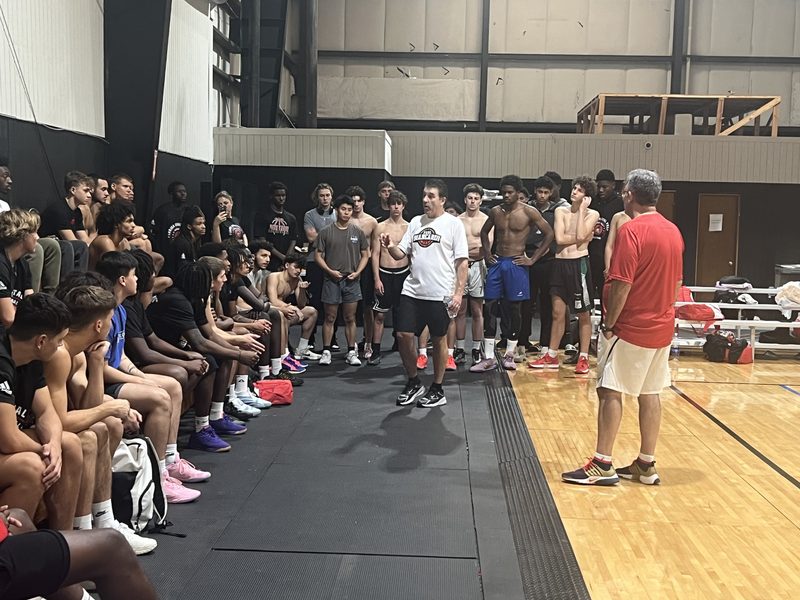
Playing at a recognized prep program like FCP gives you a structured schedule against high-level competition with college coaches watching regularly.
FCP athletes compete in the SEHAL, PHSBA, Grind Session, and SIAA circuits, four of the top prep basketball leagues in the country. Every game is recorded with professional film, and our coaching staff actively connects athletes with college programs throughout the season.
7. The Post-Grad Year Advantage
If you graduate high school without the offer you want, or without any offer at all, a post-graduate year is the most strategic move you can make. A PG year gives you:
- 12 more months of physical development and skill training
- A full season of new game film against national competition
- Time to improve your GPA and complete college coursework
- Concentrated recruiting exposure with coaches who know the college landscape
A post-grad year does not use NCAA eligibility. You enter college with four full years. FCP alumni have earned offers at D1 programs in the SEC, Big East, Big Sky, and Ohio Valley conferences, as well as D2, NAIA, and JUCO programs nationwide. See our Spartan Alumni for results.
8. Academic Eligibility: The Non-Negotiable
You can be the best player in your state, but if you are not academically eligible, you cannot play college basketball. Period. Here is what each level requires:
| Division | GPA Requirement | Test Scores | Core Courses |
|---|---|---|---|
| NCAA D1 | 2.3 GPA (sliding scale with test scores) | SAT/ACT (sliding scale) | 16 core courses |
| NCAA D2 | 2.2 GPA (sliding scale with test scores) | SAT/ACT (sliding scale) | 16 core courses |
| NCAA D3 | Set by each institution | Set by each institution | Admission-based |
| NAIA | 2.0 GPA | 18 ACT / 970 SAT | Meet 2 of 3 criteria |
| JUCO | 2.0 GPA (varies by school) | Varies | HS diploma or GED |
Register with the NCAA Eligibility Center as early as your sophomore year. For NAIA, register through the NAIA Eligibility Center. FCP's academic program includes accredited coursework through Colorado Christian University and guided college application support to ensure every athlete meets eligibility requirements.
9. Common Recruiting Mistakes to Avoid
After 7 seasons and hundreds of athletes, our staff sees the same mistakes over and over. Avoid these and you are already ahead of most recruits:
By the time most players start reaching out, many rosters are already full. Start by junior year at the latest.
D2, D3, NAIA, and JUCO programs offer excellent basketball, scholarships, and education. Narrowing your focus to D1 means missing hundreds of real opportunities.
A 2.0 GPA closes more doors than a slow 40-yard dash. Coaches want players who can stay eligible. Take your grades seriously from freshman year.
Coaches do not have time. Keep it under 4 minutes. Lead with your best plays. Include game film, not just workout clips.
Your coach can advocate for you, but the recruiting process is ultimately your responsibility. You need to be proactive.
Highlights get attention, but full game film closes the deal. If a coach asks for full film and you do not have it, the conversation ends.
Not Getting the Looks You Deserve?
FCP's coaching staff has over 25 years of combined recruiting experience at the college and professional level. We build individual recruiting plans for every athlete, and we get results. See our Spartan Alumni.
Related Resources
College Basketball Recruiting FAQ
When should I start contacting college basketball coaches?
Begin reaching out to college coaches during your junior year of high school. NCAA D1 and D2 coaches can start contacting recruits on June 15 after their sophomore year, but there are no restrictions on when you can email coaches first. The earlier you start building relationships, the better your chances. NAIA and JUCO programs have fewer contact restrictions, so you can engage with them even earlier.
What GPA do I need to play college basketball?
For NCAA Division I, you need at least a 2.3 GPA in 16 core courses (with a sliding scale tied to your SAT/ACT scores). NCAA D2 requires a 2.2 GPA with 16 core courses. NAIA requires a 2.0 GPA and you must meet two of three criteria (GPA, test scores, class rank). JUCO programs generally require a high school diploma or GED with a 2.0 GPA. The higher your GPA, the more options you have, both athletically and for academic scholarships.
How long should my basketball highlight video be?
Keep your highlight tape between 3 and 4 minutes. College coaches review hundreds of videos and typically spend 30 to 45 seconds deciding whether to keep watching. Lead with your best plays, include your name and contact information in the first few seconds, and always have full game film available as a separate link. Coaches want to see how you play in real game situations, not just flashy dunks from workouts.
Can I play college basketball if I did not get recruited in high school?
Yes. Thousands of college basketball players were not heavily recruited out of high school. Options include attending a post-graduate prep program for an additional year of development and exposure, walking on at a college program, starting at a JUCO and transferring, or attending an NAIA or D3 program. A post-grad year at a program like Florida Coastal Prep gives you a full season of new film, better coaching, and direct connections to college programs.
What is the difference between NCAA, NAIA, and JUCO basketball?
The NCAA governs Division I, II, and III programs at four-year colleges, D1 is the highest level with full athletic scholarships, D2 offers partial scholarships, and D3 does not offer athletic scholarships but often provides strong academic aid. The NAIA is a separate governing body with 250+ programs that offer athletic scholarships and have a faster, less restrictive recruiting process. JUCO (junior college) programs are two-year schools where players can develop and transfer to a four-year program. Browse all programs in our college basketball directory.