How does Florida Coastal Prep compare to other Florida prep schools? Location, dedicated post-grad structure, facility ownership, schedule, all-in cost, and named placements matter more than brand hype.
Every year I take calls from families who have toured three or four Florida prep schools and want to know how Florida Coastal Prep is different. Compare side-by-side writeups in best prep schools in Florida, FCP vs IMG vs DME, and post-grad programs compared. Fair question. The answer is not marketing copy.
Florida has more prep basketball programs than any other state. Some are excellent. Some are running a real development model. And some are running a roster, meaning they collect tuition checks, put bodies on a schedule, and call it a year.
Families who don’t know how to tell the difference end up in the wrong program. I have seen kids waste a post-grad year and lose their best window for development because the school they picked looked good on a website and was disorganized once they arrived.
So this is the comparison guide I wish more families had before they made the call. Nine specific things to look at, and how FCP stacks up on each one.
If you want to see the broader landscape first, browse our college basketball programs directory so you understand where prep school graduates actually land. The destination matters more than the marketing.
1. Location and Environment
Most Florida prep schools are clustered in the Miami-Fort Lauderdale corridor or central Florida. Traffic, distractions, and city living are part of the package. For some kids that’s fine. For most post-grad players who need to lock in for nine months, it’s a hidden tax on their development.
Florida Coastal Prep is in Fort Walton Beach, on the Emerald Coast of the Florida panhandle. White sand, no traffic, no nightlife distraction within walking distance of where players live. The environment is structured by design.
That isn’t a small thing. A post-grad year is supposed to be the most focused year of a player’s basketball life. Where you live and what surrounds you decides whether that focus actually happens.
Question to ask any prep school: What is daily life like for a player outside of practice? If the honest answer involves a city center, a mall, and a lot of free time in traffic, that’s information.
2. The Coaching Staff
Plenty of Florida prep schools have coaches with a basketball resume. Far fewer have coaches who have actually placed players at every level, D1, JUCO, NAIA, professional, for years.
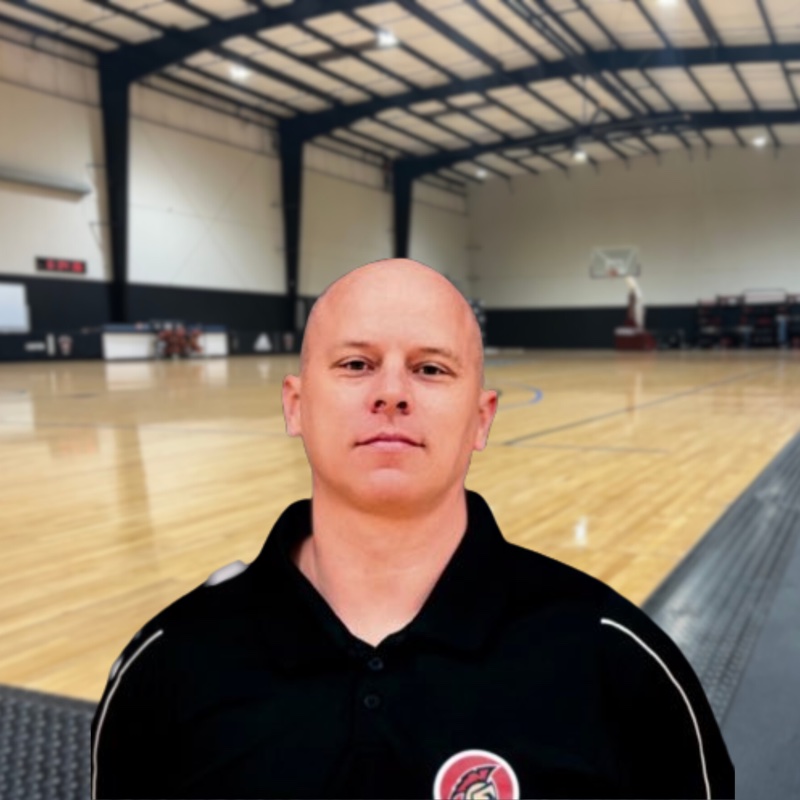
I’ve been coaching for 25 years. Kenny Anderson, yes, that Kenny Anderson, works directly with our players as a skills trainer. Our staff includes coaches who have played and coached at high levels. Vando, Tyler, and the rest of the team aren’t decoration. They’re the daily coaching presence in our gym.
The full breakdown is on our coaches page. Read the bios. Compare them to the other schools you’re considering. Look for actual playing and coaching history at the levels where players need to land. If a school’s “head coach” has a resume that ends at high school varsity, that tells you something.
Question to ask: Who is on the floor coaching every day? What level have they played and coached? How many players have they personally helped move to college basketball?
3. Post-Grad Focus vs Mixed Model
This is where most families get confused. A lot of “prep schools” in Florida are actually high schools that added a post-grad team as an afterthought. The post-grad players are an extension of a high school program, sharing facilities and sometimes attention.
Florida Coastal Prep runs a dedicated post-grad program and a separate high school program. The two are run as distinct teams with their own schedules, training plans, and recruiting strategies. Post-grad players aren’t filler for a high school roster.
Why does that matter? Because a post-grad player has different needs than a high school junior. Different recruiting timelines, different physical development goals, different academic requirements. A program that treats them as one group is shortchanging both.
If you’re not sure whether post-grad even makes sense for your player, read why post-grad. It lays out the cases where the extra year actually helps and the cases where it doesn’t.
4. Training Facility
Some prep schools rent gym time. Some share with a local high school or community center. Some have a single court and call it a facility.
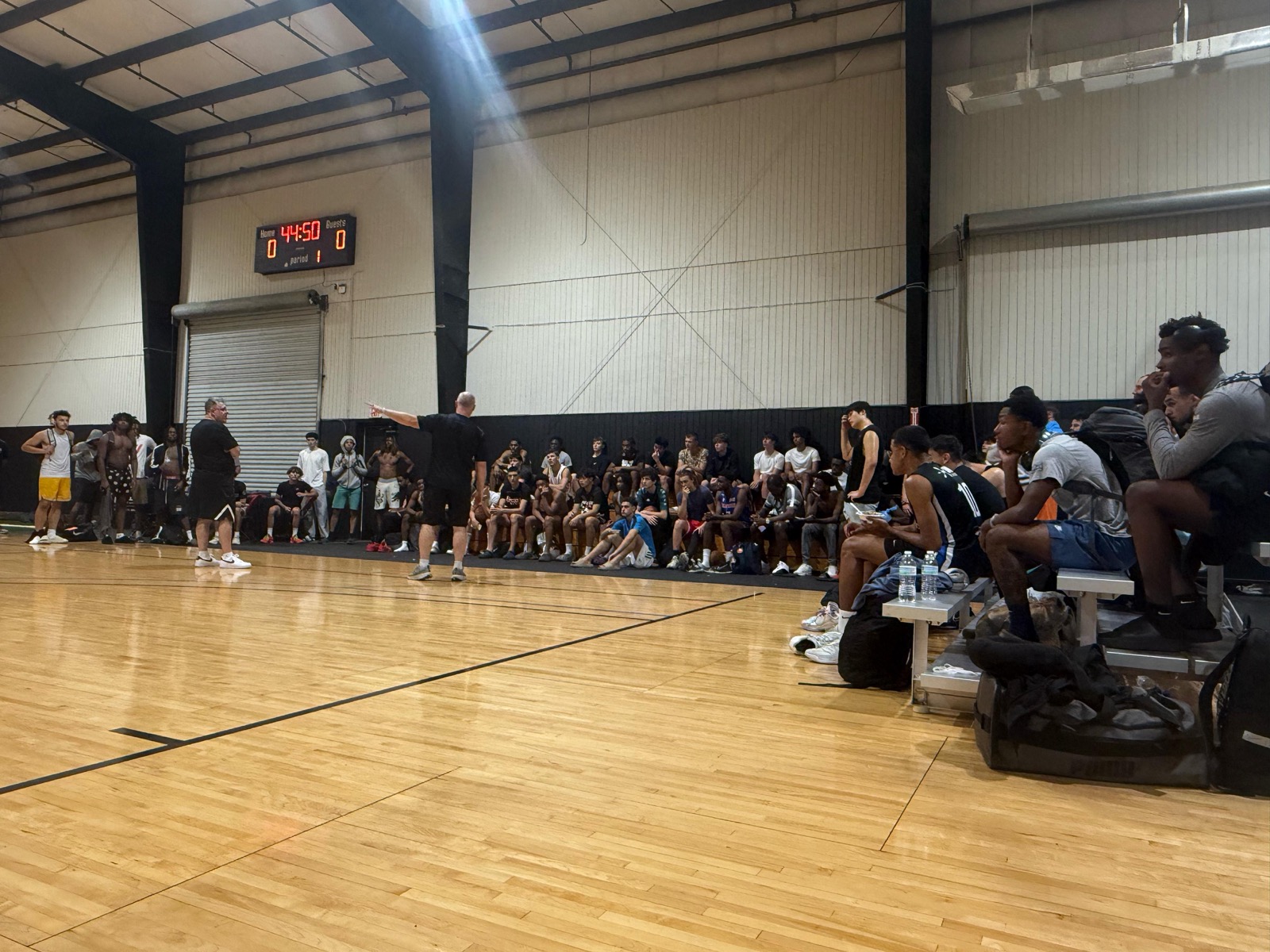
The Spartan Training Center is FCP’s own basketball-specific training environment. We control our schedule. Players get gym access on the program’s terms, including extra individual workouts, film sessions, and strength work, without competing with another program for time.
Strength training, individual workouts, film study, and beach training are built into the daily structure. Not bolted on. Not optional add-ons that cost extra. Built in.
Question to ask: Does the program own and control its training facility, or is it negotiating gym time? When can players get extra reps, and who supervises that?
5. International Pipeline
Florida Coastal Prep has run an international program for years. Players from Brazil, South Sudan, Japan, and elsewhere have come through and ended up at major college programs and professional leagues.
That’s not a marketing line. Hikaru Awata made the 7,000-mile leap from Hachioji, Japan to Fort Walton Beach for his post-grad year, and a season later he committed to Troy University in the Sun Belt Conference, Troy’s first Japanese scholarship player in modern program history. That kind of international-to-D1 path doesn’t happen by accident. It happens because the program supports international players with eligibility planning, full-time school enrollment for F-1 families, language and culture transition, and exposure to coaches who recruit globally. Our academic partner will issue the I-20 upon enrollment acceptance. FCP’s basketball program does not issue an I-20.
If you are an international family or a U.S. family that wants exposure to a culturally diverse environment, ask any other Florida prep school how many international players they’ve placed at D1 and where. The answers will be revealing.
6. Schedule and Competition
The schedule a prep school plays decides whether college coaches see players in real games against real competition.
FCP plays a national schedule that includes Grind Session events and matchups against top prep programs from across the country. College coaches at every level evaluate players in those games. That’s where exposure actually happens, not at a local showcase against a weak opponent.
Compare that to programs that fill their schedule with local non-affiliated games or in-state opponents that don’t draw college evaluators. A 25-5 record against soft competition means nothing. Going .500 against the best prep programs in the country gets a player on a recruiting board.
Question to ask: What national tournaments and events does the program participate in? Which college coaches actually attend those games?
7. Academic Structure
Post-grad academics are not a side issue. NCAA eligibility, NAIA eligibility, and JUCO admission all depend on what the program does with the academic year.
FCP works with players on a structured academic plan, courses that meet eligibility requirements, supervision that catches problems before they become eligibility-killers, and transparent communication with families about progress. The full breakdown is on the academics page.
Bad academic management is one of the most common ways a post-grad year goes wrong. A player can have a great basketball year and still arrive at signing day without the qualifying grades or the transcripts in order.
Question to ask: Who oversees academics at the program? What is the eligibility track record for graduating players?
8. Cost, Value, and What’s Actually Included
This is where families need to read carefully. Florida prep school tuition varies wildly, and what’s included varies even more.
Some schools quote a base tuition that doesn’t include housing, training, equipment, or travel for tournaments. By the time the family adds everything up, the real cost is 40 percent higher than the headline number.
The FCP tuition page is direct about what families pay and what they get. Housing, training, the schedule, coaching, equipment, recruiting support, it’s transparent on purpose. We don’t want a family signing up thinking they understood the cost and finding out otherwise in October.
Question to ask: What is the all-in cost for a post-grad year, housing, food, training, travel, gear, recruiting support? Get it in writing.
9. Recruiting Placement Record
This is the one that matters most. A prep school’s job is to help a player get to the next level. The proof is on the commitments list.
The FCP commitments page lists where our players have landed, D1, JUCO, NAIA, professional contracts. Recent classes have landed at Troy, Radford, DePaul, Houston Christian, Idaho, Northern Michigan, SIU-Edwardsville, and more. Alumni have signed pro contracts with the Lakers organization, the Suns organization, and clubs across Europe and South America.
When you tour another prep school, ask for the same list. Names, schools, divisions, years. Not “we have a great track record”, actual names attached to actual destinations. If the answer is vague, that’s the answer.
For a wider look at where prep school graduates can realistically land, the college basketball programs directory covers 1,948 programs across every division. Before signing with any prep school, families should know what the realistic destinations look like at each level.
A Few Things FCP Won’t Pretend To Be
I’d rather a family pick another school for the right reason than pick FCP for the wrong reason.
We are not located in a major metropolitan area. If your kid wants city life or constant entertainment, the panhandle is going to feel slow. That’s by design, but it’s a real fit issue.
We are not the cheapest option. Programs that quote a lower tuition exist. Some of them are good values. Some of them are running a thinner program with less support and less infrastructure. Decide which trade-off you can live with.
We are not a guaranteed D1 pipeline. No prep school is, and any school that promises it is lying to you. What we deliver is honest development, real exposure, and recruiting support that helps players land at the right level for their actual game.
Final Comparison Checklist
Before signing anywhere, run a Florida prep school through this checklist:
- Who coaches daily, and what is their actual basketball history?
- Is post-grad a separate program or filler in a high school structure?
- Does the program own and control its training facility?
- What national schedule do they play, and which college coaches attend those games?
- Who manages academics, and what is the eligibility track record?
- What is the all-in annual cost, in writing?
- Where have specific players landed, names and destinations, over the past three years?
- What is daily life like outside of practice?
- How do they handle international players, transfers, or special academic situations?
If a school stumbles on any of those questions, you have your answer.
Ready to See the Difference?
If you want to see the program firsthand, contact the staff and we’ll set up a real conversation, not a sales pitch. We’ll tell you whether FCP makes sense for your situation. Sometimes the answer is yes. Sometimes it isn’t, and we’ll tell you that too.
If you’ve done the homework and you’re ready to move forward, apply here. Spots are limited and we evaluate applications in the order they come in. Don’t wait until July and expect a roster spot.
The 2026-27 class is forming now. The kids who land at the right college next spring are the ones who picked the right prep school this spring. Pick carefully.
Compare Programs
How Does FCP Compare to Other Basketball Prep Programs?
- FCP vs IMG Academy
- FCP vs DME Academy
- FCP vs Montverde Academy
- FCP vs Oak Hill Academy
- FCP vs Prolific Prep
- FCP vs La Lumiere School
- FCP vs Brewster Academy
- FCP vs Sunrise Christian Academy
- FCP vs SPIRE Academy
- FCP vs Fork Union Military Academy
- FCP vs Combine Academy
- FCP vs Link Academy
- FCP vs Hargrave Military Academy
- FCP vs Putnam Science Academy
- FCP vs Blair Academy
- FCP vs Tarkanian Basketball Academy
- FCP vs Wasatch Academy
- FCP vs Other Florida Prep Schools
- FCP vs IMG vs DME (3-Way Comparison)
See the full Florida basketball prep schools guide for a side-by-side look at every program.